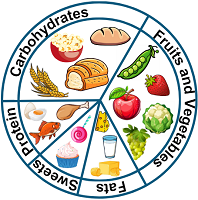
Food is essential for growth, energy, and maintaining good health. A balanced diet provides all the nutrients our body needs. Eating healthy food strengthens our immune system and prevents diseases. Health is not just the absence of illness but also physical and mental well-being. Learning about food and health helps us make informed choices about what we eat. This Food and Health Quiz for Grade 5 tests your knowledge about the harmful effects of junk food and the benefits of regular exercise. Take this quiz with 10 questions to check your understanding of food and health.
Read the statements below and determine which option is correct: Statement 1: Junk food is often high in sugar, fat, and salt, providing little nutritional value. Statement 2: Eating too much junk food regularly can lead to health problems such as obesity and heart disease.
Answer: (c) Both statements are correct.
Read the statements below about the components of a balanced diet. Determine if they are true or false, and choose the correct option. I. A balanced diet includes an appropriate mix of carbohydrates, proteins, fats, vitamins, and minerals, which all work together to keep the body healthy. II. While proteins are crucial for building and repairing tissues, they can also serve as a quick energy source when carbohydrates are not available. III. Fats should be completely avoided in a healthy diet, as they do not provide any benefits and can lead to weight gain.
Answer: (d) Statements I and II are true; Statement III is false
A student conducts a simple experiment to test for the presence of starch in a food sample. The sample is treated with iodine solution. If the sample turns blue-black, it indicates the presence of starch. Which of the following food items is most likely to test positive for starch adulteration?
Answer: (d) Rice flour
Adam notices that his grandmother has weak bones and needs help getting up. She mentions that her doctor advised her to eat more dairy and get more sunlight. Adam wonders if this is a common deficiency in children as well. What would be a good example of a deficiency disease he might develop if he lacks the same nutrient?
Answer: (a) Rickets from lack of Vitamin D and calcium
In a classroom discussion, students learn about the concept of macronutrients and their role in the human diet. Question: Which of the following best defines macronutrients? A. Nutrients required in small amounts for overall health. B. Substances that provide energy and are needed in large amounts by the body. C. Nutrients that include vitamins and minerals.
Answer: (b) B only
Liam wants to improve his diet and make healthier choices. Which of the following options would be the BEST way for Liam to enhance the nutritional quality of his meals? A. Add sprouted grains to his salads for extra fibre and nutrients. B. Consume processed snacks that are labelled as "low-fat." C. Rely solely on sugary drinks to stay hydrated.
Answer: (a) A only
Obesity can result from a combination of unhealthy habits. Read the scenarios below and select the five scenarios that are most likely to contribute to obesity. 1. Snacking on high-sugar or high-fat foods regularly. 2. Eating in a rush without paying attention to portion sizes. 3. Getting a good amount of sleep every night. 4. Drinking lots of water throughout the day.
Answer: (a) 1 only
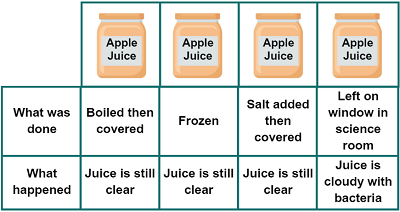
A science class performed an experiment to find ways to prevent bacteria from growing in apple juice. They treated different containers of apple juice in various ways and observed them three days later. Based on the experiment results given below, which of the following statements are correct?
Answer: (c) Bacteria can grow in apple juice if it is left untreated.
Carefully read through the passage and answer the following questions. Sprouting and Fermentation Have you ever thought about how small changes in our diet can lead to big benefits for our health? Just like seeds that have special ways to travel and grow, we can also incorporate clever techniques into our meals to make them healthier! One exciting method is sprouting. When seeds like beans or lentils sprout, they become packed with nutrients! This simple process involves soaking the seeds in water and then keeping them moist until tiny shoots appear. Sprouted seeds are not only tasty, but they also contain more vitamins and minerals than their non-sprouted versions, helping our bodies grow strong. Another fantastic way to boost our diet is through fermentation. This process transforms foods like cabbage into delicious sauerkraut or yoghurt. When we ferment food, friendly bacteria break down the sugars, creating beneficial probiotics. These probiotics support our digestion and keep our guts healthy! Don’t forget about colourful fruits and vegetables! Eating a rainbow of produce—like bright oranges, deep greens, and rich purples—ensures we get a variety of vitamins. Each colour represents different nutrients that help our bodies fight off illnesses and stay energised. Lastly, adding whole grains to our meals is a smart choice. Unlike refined grains, whole grains retain their natural fibre, which is essential for keeping our digestive systems running smoothly. Foods like brown rice, quinoa, and whole-grain bread are great sources of energy that help us stay full and satisfied. So, the next time you sit down to eat, think about sprouting, fermenting, and adding those vibrant colours and whole grains to your plate. These little changes can lead to a healthier, happier you! Given the benefits of sprouting, fermenting, and eating a variety of foods, why might it be important to combine these techniques instead of relying on just one?
Answer: (d) Combining these techniques helps ensure the body receives a wide range of nutrients and benefits, promoting overall health.
Carefully read through the passage and answer the following questions. Building a Balanced Diet Have you ever wondered what makes a meal truly healthy? It’s not just about eating your favourite foods, but about getting the right balance of nutrients that your body needs to grow strong and stay healthy. First, there are carbohydrates—the main source of energy for your body. Foods like rice, pasta, and bread fall into this group. They provide you with the fuel you need to run, play, and think. But remember, whole grains are the healthiest choice because they also contain fibre, which helps with digestion and keeps you feeling full longer. Next, we have proteins. Proteins are the building blocks of your muscles, skin, and bones. You can find proteins in foods like chicken, fish, eggs, beans, and nuts. They help your body repair itself and grow, making them especially important for children! Don’t forget about fruits and vegetables! These foods are packed with vitamins and minerals that keep your immune system strong and protect you from getting sick. Eating a variety of vegetables—like tomatoes, spinach, and carrots—ensures you’re getting a wide range of nutrients. Fats are also an important part of a balanced diet. But not just any fat! Healthy fats, like those found in nuts, avocados, and olive oil, help your body absorb vitamins and keep your heart healthy. Too much unhealthy fat, like those in fried foods and snacks, can cause health problems, so it’s best to eat those in moderation. Finally, dairy products like milk, cheese, and yoghurt are rich in calcium, which is crucial for strong bones and teeth. Drinking milk or eating yoghurt every day can help keep your bones healthy and strong as you grow. By eating a variety of foods from these groups, you can create a balanced diet that gives your body all the nutrients it needs. Whether it’s the energy from carbohydrates, the strength from proteins, or the protection from vitamins, every part of your diet matters! Given the information in the passage, if a person consistently consumes a diet lacking in healthy fats, what potential long-term health implications might they face?
Answer: (b) Reduced absorption of essential vitamins, leading to deficiencies.
| Topic | Quiz |
|---|---|
| Animal Diversity | Quiz on Animal Diversity |
| Ecosystems and Interdependence | Quiz on Ecosystems and Interdependence |
| Food and Health | Quiz on Food and Health |
| Force, Work and Energy | Quiz on Force, Work and Energy |
| Circulatory and Skeletal system | Quiz on Circulatory and Skeletal system |
| Light and Shadows | Quiz on Light and Shadows |
| Simple Machines | Quiz on Simple Machines |
| Matter | Quiz on Matter |
| Plant Growth and Reproduction | Quiz on Plant Growth and Reproduction |
| Natural Calamities and Resources | Quiz on Natural Calamities and Resources |
| Sound and Noise | Quiz on Sound and Noise |