
Animals have evolved a wide range of techniques and strategies for building shelters that help them survive, protect their young, and ensure they can find food. Whether it's a bird building a nest in a tree or a beaver constructing a dam, each shelter type serves a critical role in the animal's life.
Nests are shelters built primarily for laying eggs or protecting offspring. Many animals, especially birds, insects, and some mammals, build nests using materials such as twigs, leaves, mud, and even their own body parts. Nests provide a safe environment for young animals to grow until they are strong enough to survive on their own.

Burrows are underground shelters that provide protection from predators and the environment. These shelters are typically dug into the earth by animals that need to escape the harsh conditions of the surface, such as extreme temperatures or predators.

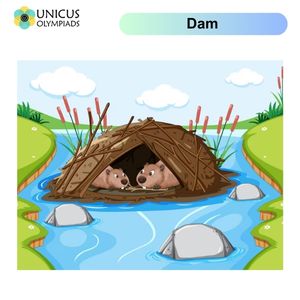
Dams are large structures built by certain animals, primarily aquatic species, to alter the environment in their favor. These structures can create ponds, help store food, and provide protection from predators. Dams also help control water flow and are essential for maintaining habitats in certain ecosystems.
Shelters provide a wide range of benefits for animals, including protection from environmental factors, predators, and a safe space for breeding. Here are the main reasons animals build shelters: