
Light, sound, and force are forms of energy that we experience in our daily lives. Light is a form of energy that allows us to see objects. It travels in straight lines and can be reflected, refracted, or absorbed. The sun is the main source of natural light. Sound is produced when objects vibrate and travels through air, water, or solids. We hear different sounds using our ears. This Light, Sound, and Force Quiz for Class 4 helps students understand these fundamental energy concepts through practical examples. Force is a push or pull that can change the position, speed, or direction of an object. Gravity, friction, and magnetic force are examples of forces around us. Learning about light, sound, and force helps students understand basic physical concepts and how energy works in the environment. Attempt these 10 questions to check your understanding.
Sophia is testing objects to see if they produce sound. Which object will NOT produce sound, and why?
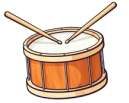
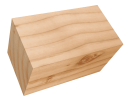

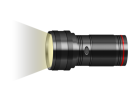
Answer: (d) A flashlight – because it does not vibrate to create sound
Which object can be classified as a luminous object?
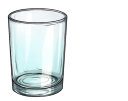



Answer: (b)
Sarah yells across a field and hears an echo. Why did this happen?

Answer: (d) Sound waves bounced back from a surface
When is a shadow the longest?
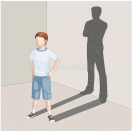
Answer: (c) When the Sun is low in the sky
Choose the correct sequence of how sound travels in air?
Answer: (d) Vibrations → Sound → Ears hear
Refer to the given statements and select the correct option: Statement 1: Loud sounds can hurt our ears. Statement 2: Soft and pleasant sounds always cause noise pollution.
Answer: (c) Statement 1 is correct, but Statement 2 is incorrect
Nick kicks a football gently, and it moves a little. Then, she kicks it harder, and the ball moves faster and farther. What does this show?

Answer: (a) A stronger force makes things move faster and farther
Lily’s teacher asked the class to identify sources of loud and unpleasant sounds in their surroundings. Which of the following examples best match this category? 1. Birds chirping in the morning 2. Loud honking of vehicles in traffic 3. Soft music playing in a room 4. Construction work near a school 5. Whispering in a library
Answer: (a) 2 and 4
When a child rides a bicycle, different forces help in moving and stopping it. Which forces are involved? 1. Muscular force – to push the pedals and move forward 2. Magnetic force – to stop the bicycle 3. Frictional force – to help slow down and stop the bicycle 4. Gravitational force – to push the bicycle away from the ground
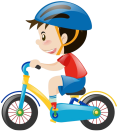
Answer: (a) Only 1 and 3
Look at the table showing how different materials interact with light: Material Allows light to pass Forms a clear shadow A: Wooden block No Yes B: Frosted glass Partially No C: Clear plastic Yes No Which material is best classified as translucent?
Answer: (b) B only
| Topic | Quiz |
|---|---|
| Human Body | Quiz on Human Body |
| Our Environment | Quiz on Our Environment |
| Food, Housing and Clothing | Quiz on Food, Housing and Clothing |
| Family and Occupations | Quiz on Family and Occupations |
| Good Habits and Safety Rules | Quiz on Good Habits and Safety Rules |
| Air, Water and Rocks | Quiz on Air, Water and Rocks |
| Earth and Universe | Quiz on Earth and Universe |
| Animals | Quiz on Animals |
| Plants | Quiz on Plants |
| Birds | Quiz on Birds |
| Transport and Communication | Quiz on Transport and Communication |
| Matter and Materials | Quiz on Matter and Materials |
| Light, Sound and Force | Quiz on Light, Sound and Force |