
The Olympics and the Paralympics are two of the most significant global sporting events, bringing together athletes from around the world to compete in a spirit of unity, excellence, and fairness. While both events share similar principles and values, they are designed for different groups of athletes: the Olympics for able-bodied athletes and the Paralympics for athletes with disabilities. Below is a comprehensive look at these two major events, their historical background, records, and more.
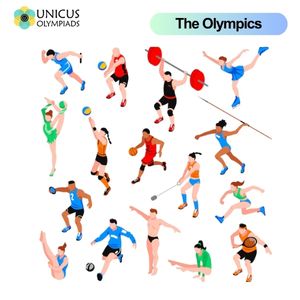
The Olympic Games are a multi-sport event that takes place every four years and brings together the world’s top athletes to compete in various disciplines, from athletics and swimming to gymnastics and team sports.
The Paralympic Games are held shortly after the Olympics and are the premier international multi-sport event for athletes with physical disabilities, intellectual disabilities, or visual impairments. The Paralympics highlight the extraordinary abilities of athletes who overcome their challenges to perform at the highest level.

The Olympics and Paralympics feature a wide range of sports, some of which overlap, and others that are unique to each event.
The Olympic and Paralympic Games are hosted by different cities around the world. These cities are chosen by the International Olympic Committee (IOC) and the International Paralympic Committee (IPC) based on their ability to provide the necessary facilities, security, and support for the athletes and spectators.